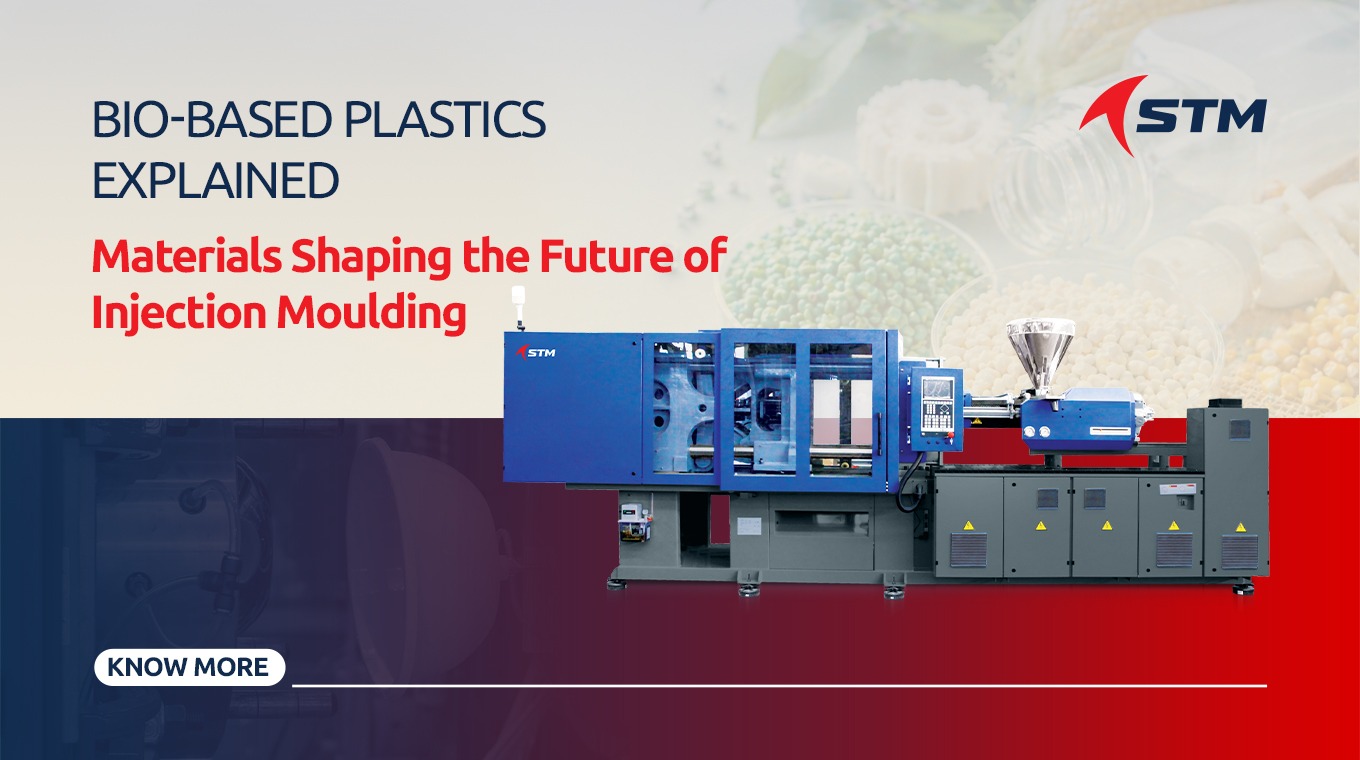
The way we make plastic is changing. As industries worldwide race to reduce their environmental footprint, bio-based plastics have emerged as one of the most promising alternatives to conventional petroleum-derived materials, and injection moulding is at the forefront of putting them to work.
But what exactly are bio-based plastics? And why are manufacturers increasingly turning to them?
Bio-based plastics are materials derived from renewable biological sources such as sugarcane, corn starch, cassava, or vegetable oils rather than fossil fuels. Unlike traditional plastics that depend on crude oil and natural gas, bio-based plastics draw from resources that can be replenished naturally over time.
It's important to note that bio-based does not always mean biodegradable. Some bio-based plastics behave just like their conventional counterparts; they are durable, long-lasting, and recyclable. Others are designed to break down under specific conditions. Understanding this distinction is key for manufacturers choosing the right material.
PLA (Polylactic Acid): One of the most widely used bio-based plastics, PLA plastic is derived from fermented plant sugars. It is lightweight, rigid, and compostable under industrial conditions. It is commonly used in packaging, disposable cutlery, and medical devices. However, it has a lower heat resistance than conventional plastics, which requires careful processing.
PHA (Polyhydroxyalkanoates): PHA is produced by microorganisms that naturally synthesise the material from organic waste or plant sugars. PHA plastic is both bio-based and biodegradable in natural environments - making it one of the most genuinely sustainable options available. It is increasingly used in food packaging and agricultural applications.
Bio-based PP and PE: These are chemically identical to conventional polypropylene and polyethene - but made from sugarcane ethanol instead of petroleum. Known as "drop-in" solutions, they require no changes to existing injection moulding equipment or processes, making them one of the easiest ways for manufacturers to reduce their carbon footprint.
Natural Fibre Composites: While not purely bio-based plastics, composites that blend conventional or bio-based resins with natural fibres like jute, hemp, coir, or rice husk are gaining significant traction. They reduce overall plastic content, improve stiffness, and make use of agricultural by-products - a win for both performance and sustainability.
Injection moulding is one of the highest-volume plastic manufacturing processes in the world. The materials fed into these machines have a direct impact on carbon emissions, waste generation, and recyclability at scale.
Switching to bio-based materials even partially can significantly reduce a product's carbon footprint, help brands meet sustainability targets, and ensure compliance with tightening regulations like India's EPR framework and EU's Green Deal.
The technology is ready. The materials are available. And the demand from brands and consumers is growing fast.
At STM Plastics, we understand that making the switch to bio-based materials can feel complex. That's why our plastic injection moulding machines are fully equipped to process bioplastics and recycled materials, giving you the freedom to innovate without disrupting your production.
Whether you are exploring PLA for packaging or bio-based PP for durable components, our team is ready to guide you from material selection to finished product.

STM Plastic Machines Pvt. Ltd. offers Specialized Manufacturing Solutions for Various Industries.


Mon-Sat, 9am until 6pm
© 2026 STM Plastic All rights reserved